Who we make for
Private Label Kidswear Manufacturer for Children's Brands
QumashLab is a private label kidswear manufacturer in Faisalabad, Pakistan for children's brands in the USA, UK, EU and the Gulf, from 50 pieces per style per colour. A sample from USD 50 takes 7 to 10 working days after artwork approval and is credited in full to the bulk order; bulk takes 15 to 30 days after sample approval.
Key facts
| Minimum order (MOQ) | 50 pcs per style per colour from stock · 150 in your Pantone colour · 200 with your own fabric composition |
|---|---|
| Samples | Sample development takes 7 to 10 working days after artwork approval, depending on the article, the artwork and how complex the design is. A standard sample starts from USD 50; the final price depends on your artwork. The sample fee is credited in full to your bulk order. |
| Bulk lead time | 15 to 30 days after sample approval. |
| Indicative price | Quoted within 2 working hours (Mon to Sat, 09:00 to 18:00 Pakistan time, UTC+5). Send product, quantity and fabric or GSM. |
| Testing & compliance | Third-party lab testing to your market's rules can be arranged on request. |
| Ships to | Qatar, Germany, European Union, United Kingdom, United States, Canada, Australia. Sea freight, air freight or express courier (DHL). |
| Payment | 50% deposit to begin production, 50% before shipment |
Facts updated 7 November 2026 · QumashLab fact sheet: MOQ, samples and lead times · MOQ and pricing tiers
Ships to: Qatar, Germany, European Union, United Kingdom, United States, Canada, Australia, by sea freight, air freight or express courier (DHL).
What we make for kids' brands
Ring-spun cotton, cotton fleece, French terry, poly-cotton and performance knits, 140 to 400 GSM depending on the garment, in kids' sizes on age-based or height-based charts.
- Branding: screen print, embroidery, DTG, sublimation, chenille patches
- Soft printed neck labels, care labels, hang tags and single-piece bags under your brand, never ours.
How ordering works
Tell us the age range of the line and whether you size by age or by height. Send your own size chart or ask for ours, and the sample is cut to it.
Each style is sampled first, so you can check the fit on a child of the right age before bulk is made to the sample you approve.
For brands that sell children's clothes under their own name
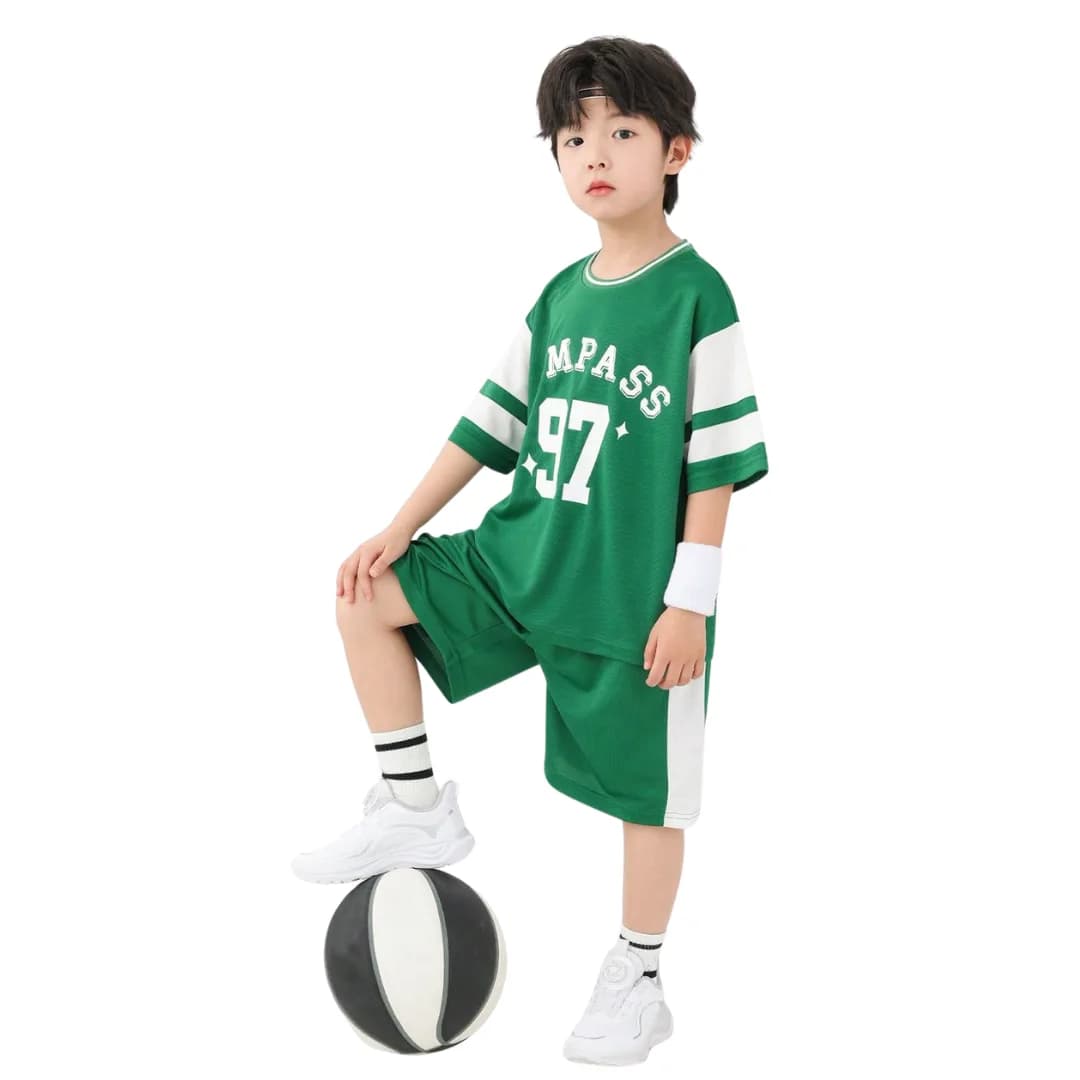
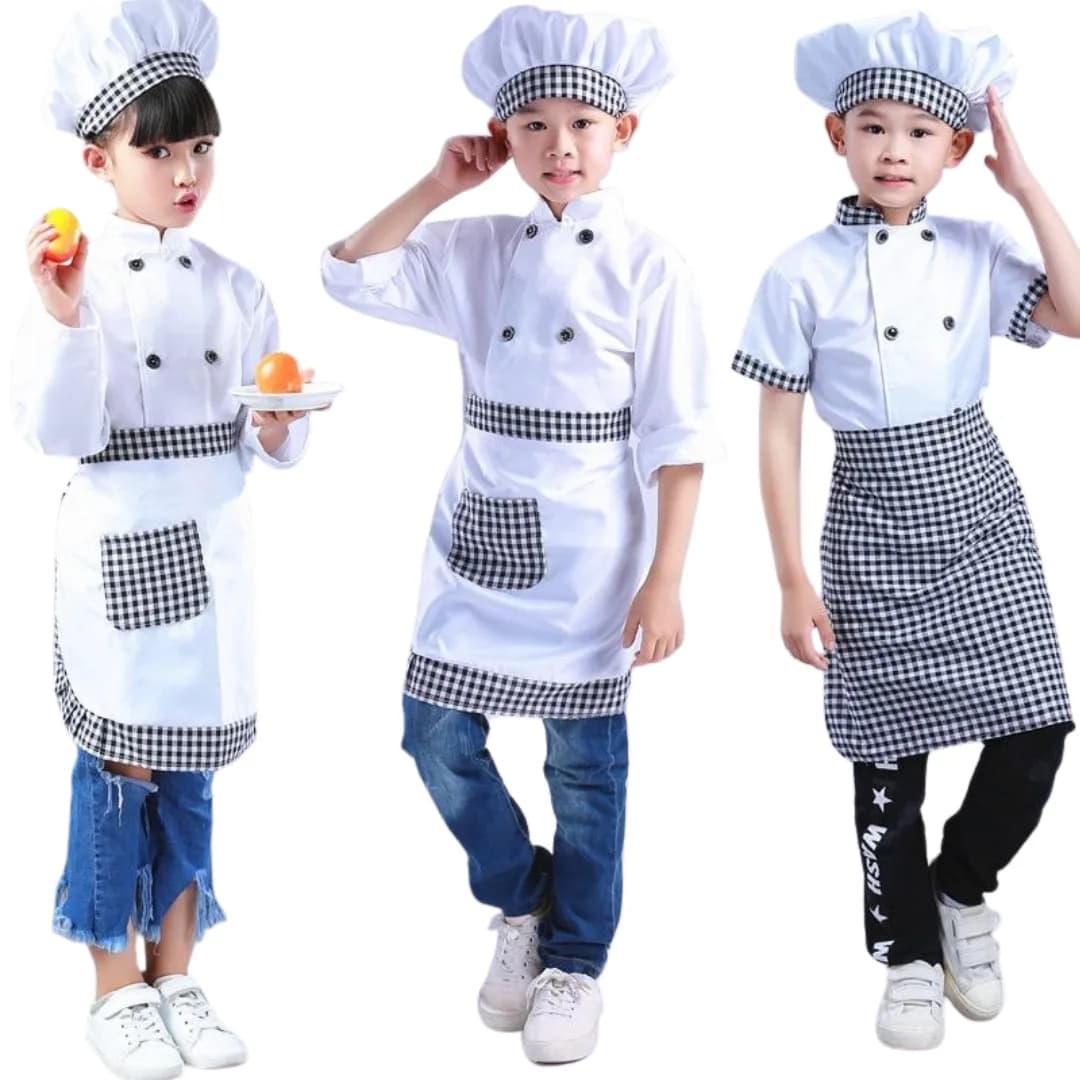
Starting a kidswear brand means making more decisions than an adult brand makes, with smaller quantities per size and a customer, the parent, who reads every label. QumashLab makes private label kidswear for brands that want their own product, not a blank with a sticker.
This page is a planning guide for the brand owner. What we make, garment by garment, is on the kids clothing manufacturer page. Every minimum, the sample fee and each lead time sit on one fact sheet.
Planning a first collection
A common mistake is a first collection that is too wide. Ten styles in five colours looks like a brand on paper and becomes unsold stock in a spare room. A small, connected range teaches you more and costs less.
- Pick one age band to start. A toddler and a ten year old are different customers with different fits. Start with the band you know best.
- Build around two or three garments that go together. A t-shirt, a sweatshirt or hoodie, and one more piece. Parents buy outfits.
- Limit the colours. With stock fabric, every colour of a style needs 50 pieces, so each extra colour adds 50. Two colours per style is a sensible start.
- Share fabric across styles. A tee and a sweatshirt cut from fabrics of the same colour look planned and keep the order simple.
- Keep one hero piece. One garment with your strongest print or detail, which carries the photos and the launch.
Three styles with two stock colours per style make six style and colour combinations: 300 garments, with the sizes mixed as you choose. If one colour must be your exact brand shade, that colour needs 150 pieces; many brands keep that step for the second season.
Size runs by age
Children's sizing has more steps than adult sizing, and demand is not even across them. Splitting the order equally over every size is the easy choice and usually the wrong one.
- Decide how you label sizes: by age, by height, or both. Height is more exact; age is what most parents search for. Many brands print both.
- Write a size chart before the sample. Chest, length and sleeve for each size, in centimetres and inches. Without it, "age six" means nothing.
- Allow room to grow. Many parents buy a size up. A slightly generous cut with ribbed cuffs that can be turned back keeps a garment in use for longer, and that is a selling point.
- Weight the middle sizes. For a first order, put more pieces in the middle of your age band and fewer at the ends, then correct the curve from real sales.
- Check the neck opening. A child's head is large for the body. The neck must stretch enough to pull on without a struggle, or it needs an opening at the shoulder.
Because sizes can be mixed freely within a style and colour, a full size run does not raise the minimum. You choose the ratio.
Label decisions a kidswear brand must make
The label on a child's garment does more work than on an adult's. Decide these points before the sample:
- Neck label. Printed on the fabric is the usual choice, so nothing scratches. Include the size where a parent can see it at a glance.
- Care label. Fibre content, wash care, country of origin and your business details, in the form the country you sell in requires. The rules differ by country: the label requirements guide gives an overview, and your importer confirms the detail.
- Warnings and age marks. Some markets expect specific warning text on certain garments. You supply the wording; we print it exactly.
- Name space. A "this belongs to" line on the label is a small detail that parents of school age children value.
- Hang tag and bag. Your tag, your barcode, one piece per bag. Ask your marketplace or retailer for their packing rules before the order, not after.
Everything ships under your brand, with no factory name. The label and packaging options are explained under private label clothing manufacturer.
Safety points to decide in the design
Safety is designed in, not tested in afterwards. As the brand, you are the one responsible for the product in your market, so these decisions are yours. We build them into the specification and flag anything in your design that looks like a risk.
- Cords and drawstrings. Hood and neck cords on young children's clothes are a known safety point: check the rule for your market. The simplest design has no cord at the hood at all.
- Small parts. Buttons, snaps, zip pulls and badges should stay attached under a firm pull. Fewer small parts means fewer risks.
- Zips. Covered at the top and backed with fabric, so they do not catch the chin or the skin.
- Prints and trims. Tell us the age group, so inks and trims are chosen to suit it.
- Fabric. Soft, breathable knits for garments worn next to the skin. See the fabric guide for kids clothing.
The kids clothing safety design checklist goes through these one by one. Find out which rules apply where you sell, and send us any requirements your retailer or marketplace gives you.
Third-party lab testing to your market's rules can be arranged on request. The test is done by an independent laboratory on your product. Agree which tests your product needs, and who pays for them, before you approve the sample. The clothing lab testing guide explains what each test covers.
From first message to first delivery
Send the designs, the age band and the country you sell in. We reply with a quote and any questions. After you approve the artwork, the sample takes 7 to 10 working days. Use it properly: put it on a child of the right size, wash it several times, and check the neck, the cuffs and the print. Bulk production takes 15 to 30 days after you approve the sample.
If you plan lab tests, arrange them on the approved sample or on the first pieces of bulk, and allow the lab's time in your launch date.
Where to go next
See the garments on the kids clothing manufacturer page. If you also supply schools, read school uniforms. When your range is on paper, request a price on the quote form and share the designs on WhatsApp or by email, or order a sample first.
Straight answers
Frequently asked questions
Do you arrange lab testing for children’s clothing?
Third-party lab testing to your market's rules can be arranged on request. Tell us the market you sell in before you approve the sample, so the tests, and who pays for them, are agreed first. The importer stays responsible for the documents its market requires.
Which sizes do you make for kids?
Tell us the age range you sell and we confirm the sizes for your style before the sample. Sizes are labelled by age, by height or both. Send your own size chart or ask for ours.
How many pieces do I need for a first kidswear collection?
A range of three styles, with two stock colours per style, needs 300 garments, with the sizes of each one mixed as you choose.
Who is responsible for safety rules in my country?
The brand that sells the product is responsible for meeting the rules of its market. Tell us where you sell and for which ages, and we build your requirements into the specification.
Can the garments carry only my brand?
Yes. Your brand is on the neck label, the care label, the hang tag and the packaging. No factory name appears on the garment or in the carton.